
University of Minho
Casting and Sonoprocessing Laboratory


Innovation to transform your organization.
Our research lab is dedicated to advancing sonoprocessing technologies, with a strong focus on translating fundamental research into impactful, real-world solutions. For almost 10 years, we have been at the forefront of innovation, exploring how ultrasonic and sono-based processes can enhance materials performance, improve environmental sustainability, and support modern agriculture.
Our core research areas include light alloy melt processing, wastewater treatment, and sono-based solutions for agriculture, with particular emphasis on seed germination optimization. Driven by an interdisciplinary approach, we combine experimental research, process optimization, and applied engineering to address complex scientific and industrial challenges.
With a strong focus on scientific rigor, innovation, and collaboration, our mission is to develop efficient, sustainable, and scalable sonoprocessing solutions that contribute to advanced manufacturing, environmental protection, and agricultural productivity.
Let's make some science!
10+ years experience
Last News Posted
USludge4Fertilizer ranked TOP 1 in Sustainability Innovation
January 1, 2026
We are immensely proud to announce a major achievement for the Casting & Sonoprocessing Lab@UMinho research group!
Last Project Posted
Casting the future of high-performance materials
January 1, 2026
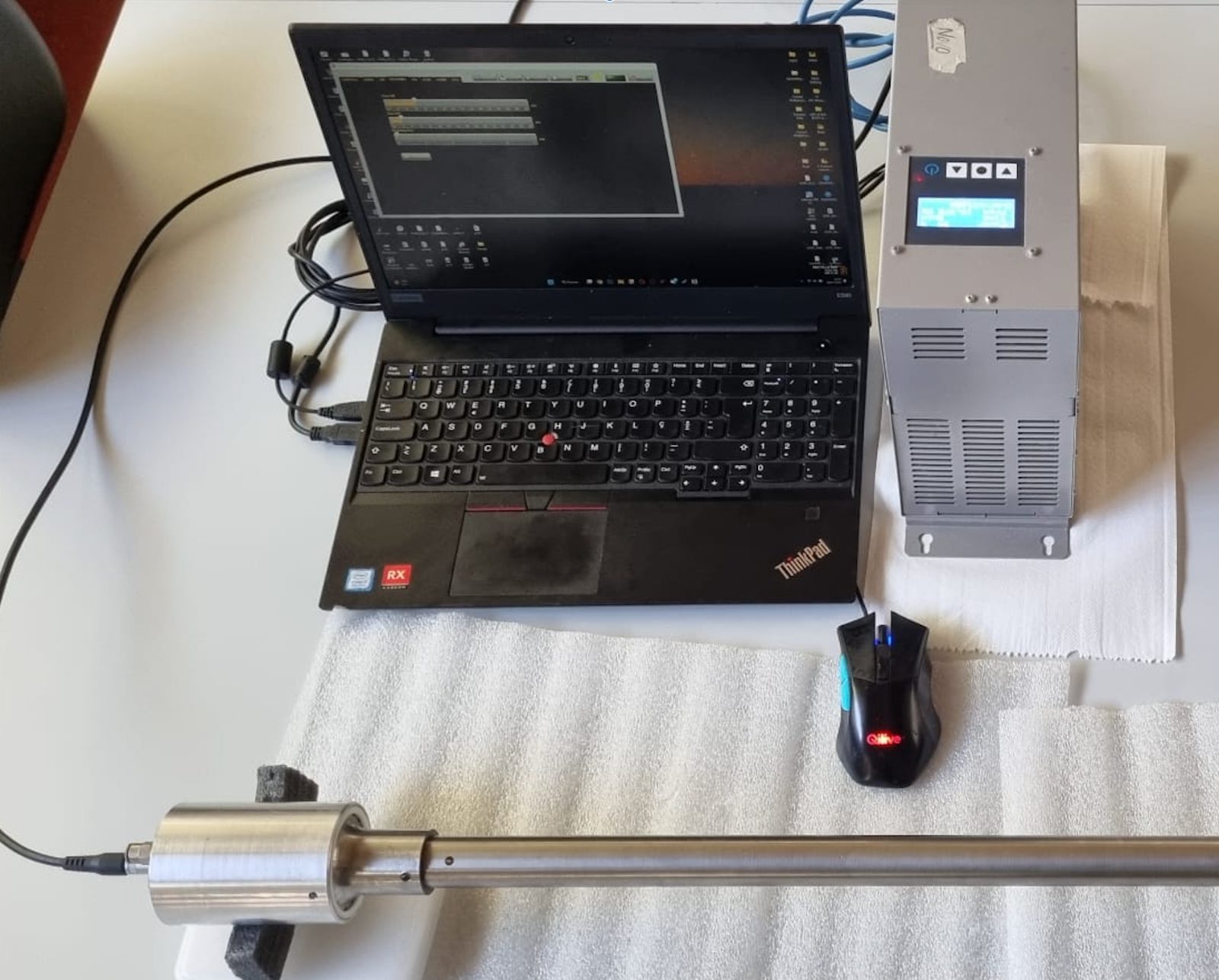
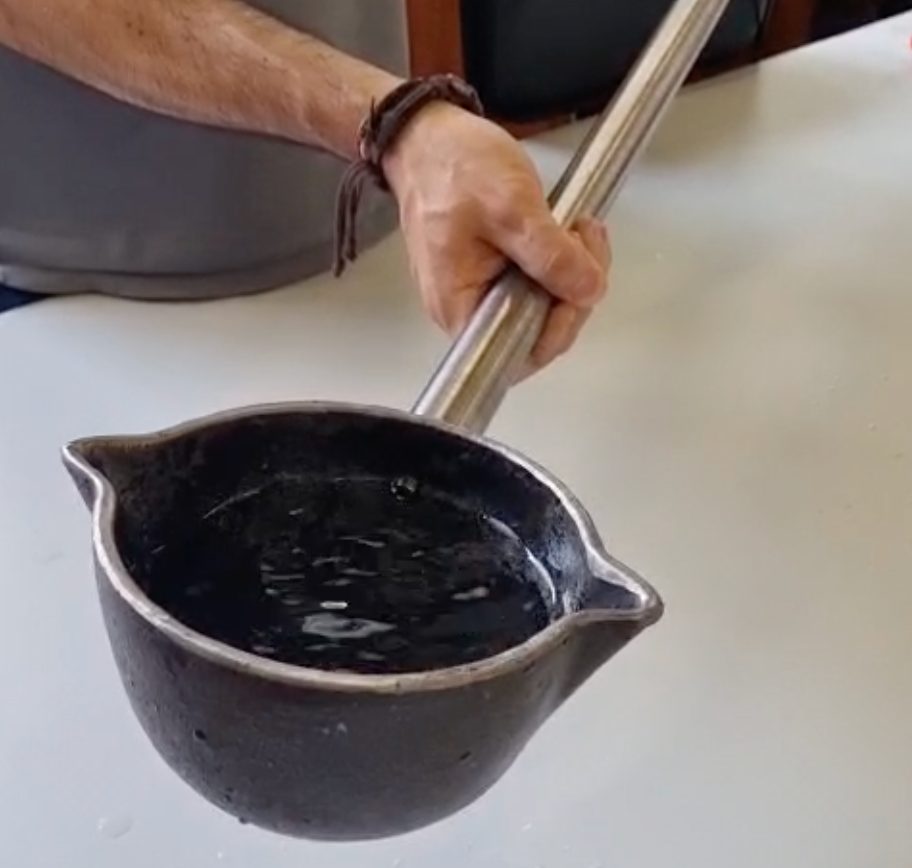
Returning to our roots, our lab has developed an innovative approach for treating light-alloy melts using a sonic ladle, as described in patent EP4212264A1, filed by Prof. Hélder Puga. This technology establishes a true symbiosis between the process and the device, enabling ultrasonic treatment and the right-after transfer of molten metal.
Last Research Posted
Ultrasound-assisted Wire Arc Additive Manufacturing @ UMTechnology
January 1, 2026
At UMTechnology Lab, we advance Wire Arc Additive Manufacturing through ultrasound-assisted technology
50+
MSc Students
5+
PhD Students
4
PhD
1M€
Projects
100+
Papers
8
Patents
10+
Collaborations